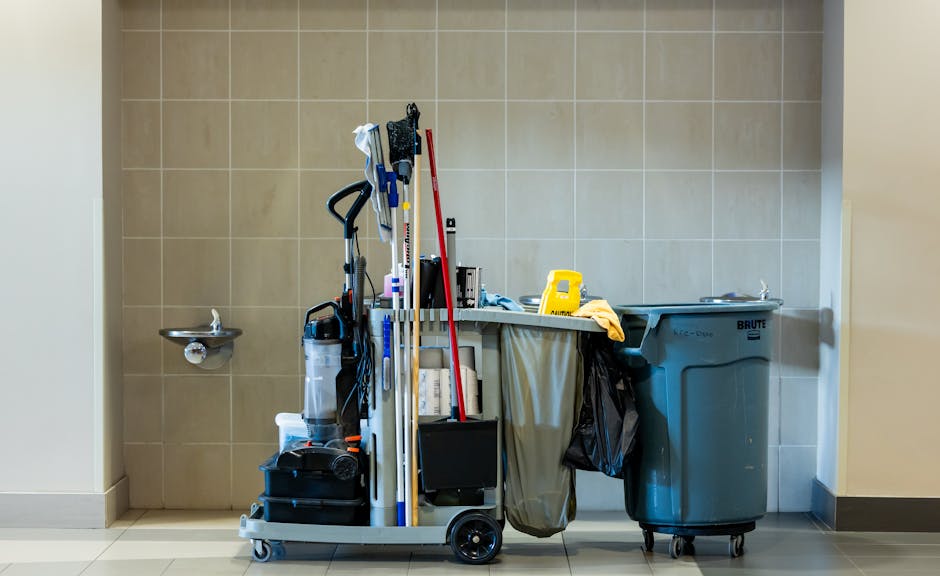
Maida Vale business cleaning services for shops and offices
If you run a shop or office in Maida Vale, cleaning is not just about keeping things tidy. It shapes first impressions, affects staff comfort, protects flooring and fittings, and quietly supports the day-to-day rhythm of the business. In a busy area like this, with footfall, deliveries, damp weather, and the usual London dust drifting in, a proper cleaning routine can make a noticeable difference. Maida Vale business cleaning services for shops and offices are designed to handle that reality: practical, regular, and flexible enough to fit trading hours without getting in the way.
Whether you manage a small boutique, a shared workspace, a solicitor's office, or a cafe-style retail unit, the right service should feel organised and easy to live with. This guide explains how it works, what to look for, where businesses often go wrong, and how to choose a cleaning setup that actually supports your premises instead of just ticking a box. Let's face it, nobody wants a polished reception area but a grimy back office.
Table of Contents
- Why Maida Vale business cleaning services for shops and offices Matters
- How Maida Vale business cleaning services for shops and offices Works
- Key Benefits and Practical Advantages
- Who This Is For and When It Makes Sense
- Step-by-Step Guidance
- Expert Tips for Better Results
- Common Mistakes to Avoid
- Tools, Resources and Recommendations
- Law, Compliance, Standards, or Best Practice
- Options, Methods, or Comparison Table
- Case Study or Real-World Example
- Practical Checklist
- Conclusion
- Frequently Asked Questions
Why Maida Vale business cleaning services for shops and offices Matters
For a business, cleanliness is part of the experience you sell. A spotless shop floor makes products look better. A fresh office helps people focus. Clean glass, tidy entrances, and well-kept washrooms all send a quiet message: this place is looked after. In retail especially, customers notice more than many owners realise. Smudged glass, dusty shelving, or sticky corners near the till can chip away at trust, even if your products are excellent.
In office settings, the impact is a little different but just as real. Staff are more likely to feel settled in a space that smells clean, looks orderly, and feels hygienic. That matters for morale, for visitors, and for the practical stuff too. Dust builds up in vents and on screens. Floors lose their finish. Carpets start to hold onto traffic marks. And if you wait too long, a simple routine clean turns into a bigger, more disruptive job.
Maida Vale has a mix of commercial spaces, from small independents to professional offices, and each one has different cleaning needs. A shop facing the street may need repeated glass cleaning and entrance care. An office may need careful desk-area cleaning, bin management, kitchen hygiene, and periodic deeper work on carpets or floors. The point is not to over-clean everything. The point is to clean the right things, at the right time, in a way that helps the business function properly.
Expert takeaway: good commercial cleaning is not just visual. It protects brand perception, improves day-to-day comfort, and reduces the slow wear that builds up when surfaces are neglected.
How Maida Vale business cleaning services for shops and offices Works
Most business cleaning arrangements start with a walkthrough or a detailed discussion. A decent provider will want to understand the space, the opening hours, what materials are on site, where the high-traffic areas are, and whether there are any awkward bits such as glass fronts, shared entrances, or delicate flooring. This first conversation matters more than many people think. A five-minute guess rarely leads to a good long-term plan.
From there, the service is usually shaped around a schedule. Some businesses need early-morning cleans before staff arrive. Others prefer late evening, once customers have gone. Shops often lean toward daily attention on entrances, floors, counters, toilets, and touchpoints. Offices may work better with a mix of daily essentials and weekly or monthly deeper tasks. The schedule should feel practical, not grand on paper and impossible in real life.
Professional cleaners typically bring their own equipment and products, though the exact setup depends on the job. For example, hard floors may need different care than carpeted meeting rooms. A reception area might need polishing and glass cleaning, while a staff kitchen needs degreasing, sanitising, and close attention to sinks and surfaces. If you also need specialist help, it can make sense to align related tasks with other services such as office cleaning, office cleaners, or even window cleaning for a consistently better finish.
What happens during the visit? Usually, cleaners work through a checklist of agreed tasks. That may include vacuuming, mopping, waste removal, desk wipe-downs, washroom sanitising, kitchen cleaning, skirting dusting, sanitising shared touchpoints, and spot cleaning on glass or partitions. In some cases, you may also want periodic support from deep cleaning or targeted floor care such as hard floor cleaning.
There is a simple truth here: the best cleaning service feels almost invisible when it is working well. You just notice that the place stays presentable, smells fresh, and doesn't become a source of small complaints. That is the goal.
Key Benefits and Practical Advantages
1. Better first impressions. A well-kept shop or office feels more welcoming the moment someone walks in. Clean floors and glass can change the tone of a space immediately. You can almost feel it when you open the door in the morning.
2. Less disruption for staff. When cleaning is scheduled properly, people can get on with their work instead of tidying around the edges all day. That sounds minor, but in a busy office it adds up fast.
3. Longer life for surfaces and fixtures. Dust, grit, and spilled liquids are small things until they start wearing down carpets, mats, grout, and flooring. Regular care slows that down. Over time, that can save money and hassle.
4. Better hygiene in shared spaces. Kitchens, toilets, meeting rooms, reception desks, and payment counters collect germs and grime quickly. Cleaning those areas properly helps keep them safer and more pleasant to use. No drama, just common sense.
5. Easier compliance with expected standards. Businesses have general duties around safety and cleanliness, and a proper cleaning routine helps support those duties. It also helps if you ever need to demonstrate that a space is maintained sensibly and consistently.
6. Flexible support for changing needs. Retail runs differently in December than it does in February. Offices have busy periods, leave periods, and occasional refurbishments or events. Good cleaning arrangements can flex a bit rather than collapsing at the first sign of change.
7. Less embarrassment, frankly. A surprise client visit is much less stressful when you are not staring at a coffee stain on the meeting room carpet. Been there, most business owners have, to be fair.
Who This Is For and When It Makes Sense
This kind of service is useful for almost any business premises, but it is especially relevant if your space has regular visitors, shared facilities, or visible customer areas. Shops, studios, agencies, professional practices, estate offices, and small corporate spaces all tend to benefit from structured cleaning.
For retail, the biggest triggers are usually footfall, display maintenance, and front-of-house presentation. If people are walking in with rain on their shoes, handling products, or waiting near the counter, floors and touchpoints need attention more often than you might expect. In offices, the priority is different: shared desks, kitchens, meeting rooms, printers, bins, and washrooms can become the real pressure points.
You may also want help if you are:
- opening a new premises and need a first proper reset
- replacing an inconsistent in-house arrangement
- preparing for an inspection, audit, or client visit
- trying to reduce complaints about smell, dust, or untidy shared areas
- dealing with high traffic after a busy trading season
- coming back after works, refit, or a messy handover
If that last point sounds familiar, an after builders cleaning service can be a sensible starting point before regular maintenance begins. Fresh paint dust and fine debris have a nasty habit of showing up everywhere, even after you think the job is done.
For businesses with soft furnishings, waiting areas, or carpeted areas, it can also help to build in services like carpet cleaning, rug cleaning, upholstery cleaning, or sofa cleaning now and then. Not every site needs them, of course. But when they do, they matter.
Step-by-Step Guidance
If you are setting up commercial cleaning for the first time, or reviewing what you already have, use this practical sequence.
- Walk the premises properly. Don't do it in a rush. Look at entry points, counters, toilets, staff areas, kitchens, carpeted sections, glass, and any place where dust or grime gathers quickly.
- Separate customer-facing and staff-only zones. A shop floor is not the same as a stockroom. An office reception is not the same as a server room or storage cupboard. Different standards may be needed.
- Decide what must be cleaned every visit. Usually this includes bins, floors, touchpoints, toilets, wash areas, and visible surfaces. Anything else can be scheduled weekly or monthly.
- Set the timing around trading hours. Early starts and late finishes are common. The less your service interrupts the business, the better.
- Agree the products and methods. This matters for floors, screens, glass, and any delicate finishes. A strong cleaning team should explain what is safe for each surface without making a fuss.
- Build in escalation points. If a spill, leak, stain, or hygiene issue appears, who is informed? What happens next? Small questions, but useful ones.
- Review the service after the first few visits. You will quickly see whether the plan matches reality. If it does not, adjust it. That is normal.
One useful way to think about it: regular cleaning keeps a business presentable, while periodic deeper work keeps it recoverable. You need both, in different measures. The sweet spot is somewhere sensible, not perfect.
Expert Tips for Better Results
Prioritise the touchpoints people actually use. Door handles, switches, counters, shared desks, handrails, lift buttons, and taps matter more than hidden corners. If you get those right, the whole place feels cleaner.
Use a mixed schedule. Daily essentials plus weekly detail work is often better than trying to do everything every day. That tends to keep quality higher and costs more sensible.
Keep a short site brief. A one-page note with access instructions, alarm details, bin locations, and surface sensitivities can save a lot of confusion. It also helps consistency when different team members attend.
Plan for weather. In London, wet shoes and dirty entrances are a fact of life for much of the year. Entrance mats, regular vacuuming, and frequent floor attention prevent a lot of mess from being tracked further in.
Use the cleaning team as a set of extra eyes. Good cleaners often spot issues first: a dripping tap, a damaged floor edge, a stained patch that is getting worse, or a washroom supply problem. That feedback can be surprisingly valuable.
Match service level to the business image. A premium boutique, for example, may need sharper glass, more attention to presentation, and more frequent front-of-house care than a warehouse office. Different businesses, different priorities.
Keep it realistic. You do not need a hotel-level cleaning plan for a modest office. Truth be told, overcomplicating it usually makes things worse.
Common Mistakes to Avoid
Choosing on price alone. Cheap cleaning that misses key tasks can cost more in the long run. Missed work, complaints, and short-lived results are not bargains.
Vague task lists. If the brief says "clean office," that is not enough. Which rooms? Which surfaces? Which frequency? Be specific, or expect mixed results.
Ignoring entrance areas. The first ten steps into a shop or office shape the whole impression. Dirty mats and glass are tiny problems that become very visible.
Forgetting periodic deep work. Daily tidying does not replace periodic deeper cleaning. Carpets, upholstery, and hard floors all need more than a quick pass now and then.
Not planning around access. If cleaners cannot get in at the agreed time, or keys, alarms, or passes are not sorted, the service becomes awkward fast. A tiny admin mistake can derail the routine.
Assuming one method fits every surface. Some materials need gentle cleaning, some need neutral products, and some need more specialist care. Ask before damage happens. Saves a headache.
Leaving no review process. If you never check the quality, problems linger. A five-minute check-in each week is often enough.
Tools, Resources and Recommendations
For businesses, the most useful tools are not glamorous. They are the boring things that keep standards steady.
- A site cleaning schedule with daily, weekly, and monthly tasks
- A short handover sheet for access notes, alarm instructions, and special care points
- Colour-coded cloths or equipment to reduce cross-use between areas
- Floor mats at entrances to trap grit and moisture
- Simple issue log for leaks, damage, or recurring trouble spots
- Periodic specialist support for carpets, windows, upholstery, or hard floors where needed
If you are comparing cleaning providers, it also helps to review practical service pages such as cleaning company services, cleaners, and a local cleaner to get a feel for the wider service scope. For some premises, the right combination may include one-off cleaning before moving into a regular routine.
For office-heavy sites with lots of fabric surfaces, it may also be sensible to keep an eye on carpets cleaner support, especially if the building has shared hallways or high-traffic meeting rooms. Little details, but they matter when people spend all day there.
Law, Compliance, Standards, or Best Practice
Commercial cleaning is not just a matter of appearance. In the UK, businesses generally need to keep premises reasonably safe and maintained for staff, visitors, and customers. The exact duties depend on the type of business, the building, and the risks involved, so it is sensible to treat this as a best-practice area rather than something to improvise.
Good practice usually includes:
- using suitable products for the surfaces being cleaned
- maintaining safe access for staff and contractors
- keeping walkways free from avoidable slip hazards
- making sure waste is removed and stored properly
- documenting any special instructions for sensitive areas
For businesses that want added reassurance, check the provider's approach to health and safety policy and insurance and safety. Those pages do not replace a proper site-specific conversation, but they do help show whether the company takes risk seriously. That matters, especially where staff, customers, and equipment all share the same space.
You may also want to look at environmental expectations. Many businesses now care about waste reduction, product choice, and sustainability in a practical sense, not just as a marketing line. A company's recycling and sustainability approach can be a useful signal if your business wants to keep things responsible as well as tidy.
And yes, the paperwork side matters too. If you are arranging a regular service, it is worth checking terms and conditions, payment and security, privacy policy, and the provider's complaints procedure. None of that is exciting. But it prevents awkwardness later.
Options, Methods, or Comparison Table
Different businesses need different cleaning approaches. Here is a simple comparison that may help you decide where to start.
| Cleaning approach | Best for | Typical strengths | Watch-outs |
|---|---|---|---|
| Daily routine cleaning | Shops, offices, reception areas | Keeps spaces presentable and hygienic | May not remove deeper grime or built-up marks |
| Weekly enhanced cleaning | Medium-traffic business premises | Adds more detail to kitchens, washrooms, and surfaces | Needs a clear task list or standards can drift |
| One-off reset clean | New openings, handovers, neglected spaces | Useful for bringing a space back under control | Not a substitute for regular maintenance |
| Specialist floor and fabric care | Carpeted offices, waiting areas, retail seating | Helps protect finishes and improve appearance | Should be timed to avoid disruption |
For many Maida Vale businesses, the best option is not a single service but a combination. A shop may need daily front-of-house cleaning plus occasional glass and floor care. An office may need routine cleaning with occasional deeper support for carpets or upholstery. The right mix depends on traffic, layout, and how much of the premises is customer-facing.
Case Study or Real-World Example
Here is a realistic example. A small professional office near a busy Maida Vale high street has eight staff, a reception area, two meeting rooms, one kitchen, and a couple of washrooms. At first, the team relied on a bit of internal tidying and an occasional rushed clean. It worked, sort of. But by Thursday afternoon the bins were fuller than they should have been, the kitchen smelled slightly stale, and the meeting room carpet showed a few obvious marks by the table.
The business then moved to a structured cleaning schedule. The cleaner came after hours, handled the essentials every visit, and added deeper tasks weekly. Reception glass, bins, sinks, floors, and washrooms were all covered consistently. A monthly attention point was added for the carpeted areas and office seating. Nothing dramatic happened. Which is exactly the point. The office simply felt calmer, more professional, and easier to manage. Staff noticed it first, then visitors did.
That kind of result is common. Not because cleaning is magic, but because a sensible plan removes the low-level friction that builds up in busy premises. Less clutter. Less smell. Less of that "we should really sort this" feeling hanging in the air.
And for businesses with entrances that take a beating from weather and foot traffic, pairing routine cleaning with window cleaning and occasional hard floor cleaning can make the whole front-of-house look much better without turning it into a big project.
Practical Checklist
Use this quick checklist if you are reviewing or setting up your cleaning arrangement.
- Have the shop or office areas been divided into priority zones?
- Is there a clear list of daily, weekly, and monthly tasks?
- Are cleaning times set around opening hours and staff movements?
- Have access arrangements, alarms, and keys been agreed?
- Are the main touchpoints and shared areas covered every visit?
- Has the provider explained products and methods for different surfaces?
- Are periodic specialist tasks included where needed?
- Do you have a simple way to flag missed tasks or recurring issues?
- Have you checked insurance, safety, terms, and complaints procedures?
- Does the service feel realistic for your premises, not just ideal on paper?
If you can answer yes to most of those, you are in pretty good shape. If not, there is still time to tighten things up. Better to adjust early than wait for grime to tell the story for you.
Conclusion
Maida Vale business cleaning services for shops and offices are about much more than surface shine. They support how your premises feel, how your team works, and how customers or clients judge your business in those first few seconds. The best arrangement is simple, reliable, and built around real usage rather than guesswork.
Think in terms of routines, not rescue missions. Focus on the high-impact areas, keep the schedule realistic, and make sure your provider understands the difference between a shopfront, a workroom, and a shared office kitchen. That approach usually delivers better results than trying to over-engineer every detail. And honestly, it makes the whole thing easier to live with.
Get a free quote today and see how much you can save.
When your business looks cared for, people feel it straight away. That's the quiet advantage, and it lasts.
Frequently Asked Questions
What do Maida Vale business cleaning services for shops and offices usually include?
They typically include floors, bins, washrooms, kitchens, touchpoints, dusting, and visible front-of-house areas. The exact list depends on the premises and how often the space is used.
How often should a shop or office be cleaned?
Many businesses need daily essentials, especially where staff and visitors are present throughout the day. Smaller or lower-traffic spaces may only need a few visits a week, plus periodic deeper cleaning.
Is evening cleaning better than morning cleaning?
It depends on trading hours and access. Evening cleaning works well for shops and offices that need to be ready from the first opening moment. Morning cleaning can suit quieter premises or shared buildings.
Do I need a deep clean as well as regular cleaning?
Often, yes. Routine cleaning maintains standards, while deep cleaning tackles build-up that is harder to remove day to day. The two serve different purposes.
Can the service be tailored to a small shop?
Absolutely. Small shops often need a compact but focused plan: floors, glass, counters, toilets, and the entrance area. A good provider should avoid overcomplicating it.
What should I ask before hiring a cleaning company?
Ask about task lists, timings, access arrangements, insurance, products used, and what happens if a problem is found on site. Those questions tell you a lot very quickly.
Are cleaning products safe for office equipment and screens?
They should be, if the provider uses the right method. Screens and electronics need care, and not every product is suitable. Always confirm this in advance.
How do I know if the cleaning is good enough?
Look for consistency. The premises should stay presentable, touchpoints should be properly handled, bins emptied, and problem areas should not keep reappearing. If they do, the brief probably needs tightening.
Can I combine commercial cleaning with carpet or upholstery care?
Yes, and it is often sensible. Offices and waiting areas can benefit from occasional carpet, rug, sofa, or upholstery cleaning, especially where traffic is heavy.
What are the biggest mistakes businesses make with cleaning?
The main ones are unclear instructions, choosing solely on price, ignoring entrances, and forgetting periodic deeper work. Those oversights are common, and they usually show up later in the week, annoyingly enough.
Do I need to check policies and paperwork before starting?
Yes. It is wise to review terms, payment, insurance, safety information, privacy, and complaints handling before agreeing to a regular service. It keeps everyone on the same page.
What is the best next step if my current cleaner is inconsistent?
Review the task list, note the missed areas, and compare that against what the space actually needs. If the arrangement still feels patchy, it may be time to reset the brief or look for a more suitable service model.