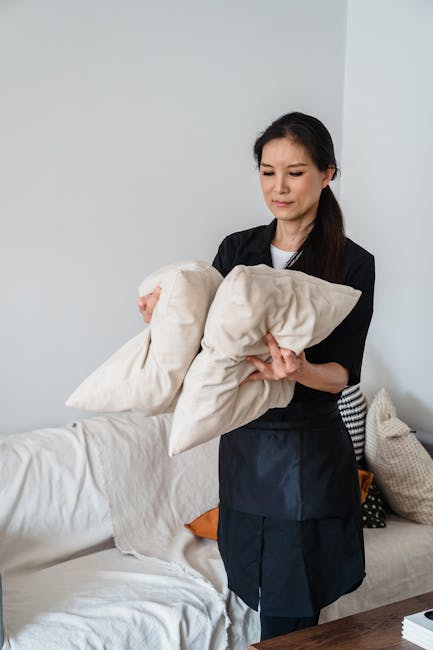
Maida Vale sofa cleaning allergy safe methods and certified staff
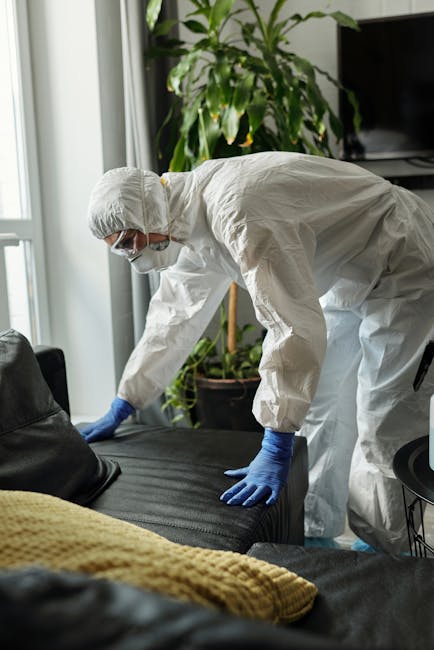
If you live in Maida Vale and someone in the household sneezes the moment a sofa is disturbed, you already know this is not a small issue. Upholstery can hold dust, pet dander, pollen, food crumbs, and the occasional mystery mark that seems to appear out of nowhere. The right cleaning approach matters, but so does who carries it out. That is where Maida Vale sofa cleaning allergy safe methods and certified staff become genuinely useful: safer products, careful extraction, and trained people who understand how to clean without turning a room into an irritant trap.
This guide explains what allergy-safe sofa cleaning actually involves, how certified staff reduce risk, what to ask before booking, and how to choose methods that suit your fabric, your home, and your sensitivities. It is practical stuff. No fluff.
Why Maida Vale sofa cleaning allergy safe methods and certified staff Matters
Sofas are one of those things people live on, eat on, nap on, and sometimes let the dog claim as a throne. Over time, they collect far more than visible dirt. If you have allergies, asthma, eczema, or just a sensitive nose, that hidden build-up can become a real day-to-day annoyance. You may not notice it sitting there quietly, but once it is disturbed, you can feel it. A scratchy throat in the evening, watery eyes when cushions are fluffed, or that dusty smell when sunlight hits the fabric on a dry afternoon.
In a busy London home, that matters even more. Flats in Maida Vale often have limited ventilation, which means cleaning residues, moisture, and airborne particles can linger longer than you expect. Allergy-safe sofa cleaning is therefore less about making a sofa look nice and more about controlling what stays behind after the job is done. Certified staff bring another layer of reassurance. They are more likely to follow safer chemical handling, fabric testing, correct moisture control, and sensible risk assessment. Not glamorous, perhaps, but exactly the sort of thing you want when your child has hay fever or your partner reacts to strong cleaning scents.
There is also the simple trust factor. Anyone can say they clean upholstery. Fewer people can explain which method suits velvet, chenille, linen blends, or synthetic fibres without causing shrinkage, colour loss, or excessive wetting. That knowledge matters. A lot.
Expert summary: allergy-safe sofa cleaning is not just "using a mild product". It is a combination of fabric-aware method selection, residue control, thorough extraction, and staff who know how to work cleanly in occupied homes.
How Maida Vale sofa cleaning allergy safe methods and certified staff Works
At its best, allergy-safe upholstery cleaning is a sequence, not a single action. First, the cleaner should identify the fabric and any care label guidance. Then they should look for stains, pet traffic areas, and moisture-sensitive sections. That initial check sounds basic, but it often decides whether the job goes smoothly or becomes an expensive lesson.
Certified staff generally work with a few core principles:
- Low-residue products: detergents or solutions that do not leave sticky remnants, because residue tends to attract more dust later.
- Controlled moisture: enough to release dirt, but not so much that the sofa stays damp for hours.
- Targeted extraction: removing soil, solution, and allergens rather than just moving them around.
- Pre-test on fabric: checking colourfastness and pile response in a discreet area.
- Ventilation and drying: reducing the chance of musty smells or lingering humidity.
The exact method depends on the sofa. Microfibre and many synthetic blends can often handle a careful hot-water extraction or low-moisture approach. Delicate fabrics may need more restrained techniques, spot treatment, or specialist upholstery cleaning rather than a heavy wash. The point is not to use the strongest product. The point is to use the safest one that still gets results.
When you book through a broader cleaning company, it is sensible to ask whether the operative has direct upholstery experience, not just general domestic cleaning experience. A good sofa clean is surprisingly technical. The machine matters, yes. The hands and judgment matter more.
One small but important detail: allergy-safe methods also include what happens before the cleaner arrives. A professional should be willing to ask about pets, fragrance sensitivity, fabric type, previous treatments, and any household health concerns. That conversation is not bureaucracy. It is part of the job.
Key Benefits and Practical Advantages
People often think sofa cleaning is mainly about appearance. Fair enough, that is part of it. But for allergy-safe work, the benefits go a bit deeper.
- Less airborne dust: Proper extraction removes allergens trapped in the fibres, rather than releasing them into the room.
- Lower fragrance exposure: Certified staff can use low-odour or fragrance-free options where suitable.
- Better fabric care: Matching the method to the material helps avoid over-wetting, rings, and fibre damage.
- Improved comfort at home: A cleaner sofa can make the room feel fresher in a subtle, noticeable way.
- Reduced risk for sensitive occupants: Helpful for families with allergies, babies, older people, or anyone who reacts to strong smells.
- Longer upholstery life: Grit and body oils degrade fabric over time; proper cleaning slows that down.
There is also a practical household benefit that people forget: a clean sofa tends to transfer less dirt to cushions, throws, and even nearby flooring. If you keep the rest of the room tidy but the sofa is holding onto dust, it can feel like you are fighting a losing battle. Been there. It is annoying.
For many households, the strongest benefit is peace of mind. You know the job has been done with care, not just speed. That matters when the sofa is the main place people sit after school, after work, or with a cup of tea and the radio on in the background.
Who This Is For and When It Makes Sense
This service makes most sense if any of the following sound familiar:
- someone in the home has dust, pet, or seasonal allergies;
- you have a baby, toddler, or elderly relative in the household;
- your sofa smells musty after a wet winter or long closed-window spell;
- you can see visible dust when cushions are moved or vacuumed;
- there are pets that shed onto the upholstery;
- you rent and want the living room to feel fresh without harsh cleaning smells;
- you want a cleaner sofa but worry about chemicals, residues, or fabric damage.
It is also a good fit after certain life events: moving into a new flat, finishing light decorating, recovering from an illness, or simply reaching that point where the sofa has had one biscuit too many. To be fair, sofas age quietly. By the time you notice, the fibres can be holding far more than you bargained for.
Some people try to manage with a handheld vacuum and a bottle of supermarket spray. That can help between visits, but it is not the same as a deep, allergy-aware upholstery clean. If the household is sensitive, the difference is usually obvious the next morning. Less smell, less dust, less faffing about with cushions that feel oddly damp.
If you are building a broader home-care plan, it may also be worth looking at domestic cleaning or deep cleaning alongside upholstery care, especially if dust is coming from more than one source. A sofa is sometimes the symptom, not the whole problem.
Step-by-Step Guidance
If you want allergy-safe sofa cleaning done properly, this is the process worth following. It is not complicated, but each step matters.
- Identify the fabric and condition. Look for labels, previous treatments, loose stitching, fading, and any warning signs such as water marks or sun damage.
- Share allergy and sensitivity concerns upfront. Tell the cleaner about fragrance issues, asthma, pets, or anyone who should avoid heavy fumes.
- Vacuum thoroughly before wet cleaning. A good vacuum pass removes loose dust and hair before anything gets damp. Skip this and you are just making mud in the fibres.
- Test a small hidden area. This checks for colour bleed, texture change, or shrinkage. It is a tiny step with big consequences.
- Choose the gentlest effective method. For some sofas, that might be low-moisture extraction; for others, careful dry or semi-dry treatment.
- Apply product sparingly. Use only what is needed, and avoid over-soaking armrests and seat cushions.
- Extract properly. The goal is removal, not just application. Residue left in the fabric can attract more dust and irritate sensitive noses.
- Promote drying. Open windows if appropriate, use airflow, and keep pets and children off the sofa until fully dry.
- Inspect once dry. Check for lingering odour, uneven marks, or sticky spots. If it feels tacky, the extraction was not thorough enough.
If the cleaner is also handling other soft furnishings, it may make sense to coordinate with upholstery cleaning as a broader service approach. Some homes need more than one item treated at once, especially where dust builds up across chairs, cushions, and curtains nearby.
A simple rule of thumb: if the room still smells of detergent when the work is finished, ask questions. A fresh-clean scent is fine. A chemical cloud at 7pm is not.
Expert Tips for Better Results
Here are the practical touches that often separate a decent clean from a really good one.
- Ask for low-odour or fragrance-free products. Do not assume the default will suit allergies.
- Vacuum weekly between professional cleans. A soft brush attachment can help lift dust without damaging the pile.
- Use throws thoughtfully. They reduce surface grime, but they need washing too. A dusty throw is still dusty.
- Keep windows open after cleaning if the weather allows. Fresh air helps with drying and dispersing any remaining scent.
- Rotate cushions. It prevents one area from taking all the wear and oil.
- Spot-treat spills quickly. The longer a spill sits, the deeper it settles into the fibre.
- Tell the cleaner about any previous DIY attempts. A well-meaning spray from last winter may react with professional products.
One thing that is often overlooked: if your allergies flare up mainly in the evening, the sofa may be holding more than dust. Pet dander settles low, and that is where people sit most. A careful clean can help, but so can a cleaner overall routine in the room itself. It all stacks up.
Certified staff should also be able to explain why they are choosing one method over another. If you ask, "Why not use steam?" they should answer in plain English, not hide behind jargon. Good cleaners do not mind being asked. In fact, they usually welcome it.
Common Mistakes to Avoid
These are the mistakes that cause most of the problems, and they are completely avoidable.
- Using strong fragrance to cover odour. That masks the issue and can make allergies worse.
- Over-wetting the sofa. Too much moisture can lead to long drying times and mildew risk.
- Skipping the fabric test. That is how colour loss and patchiness happen.
- Rushing extraction. Leftover solution can make upholstery feel sticky and attract more dust.
- Assuming all sofas can be cleaned the same way. They cannot. Not even close.
- Ignoring the rest of the room. If cushions, throws, rugs, and curtains are dirty, the sofa will be recontaminated faster.
- Booking on price alone. Cheap work can become expensive if the fabric is damaged or the clean does not hold up.
There is a slightly frustrating truth here: the "quickest" job is often the one that causes the most follow-up problems. A cleaner who is careful on the front end saves you bother later. Sometimes that means a bit more time on site. Usually worth it.
Tools, Resources and Recommendations
You do not need a cupboard full of specialist kit at home, but it helps to understand what professionals typically use. That way you can tell whether the service sounds properly set up or just improvised.
| Tool or approach | What it does | Why it helps with allergies |
|---|---|---|
| HEPA-style vacuuming | Lifts fine dust before wet cleaning | Reduces the amount of allergen released during cleaning |
| Low-residue upholstery solution | Breaks down soil without heavy film | Leaves less sticky residue for dust to cling to |
| Controlled extraction machine | Pulls dirt and moisture back out of the fabric | Supports faster drying and better removal of contaminants |
| Soft brush attachments | Gently agitate fabric fibres | Helps loosen embedded dust without harsh scrubbing |
| Airflow and drying aids | Improve evaporation after cleaning | Limits damp smell and reduces the risk of lingering irritation |
As a homeowner, your most useful resources are surprisingly simple: a good vacuum, a clean microfiber cloth for spills, and a willingness to act early. If you are comparing options, look at the provider's broader service pages too. For instance, sofa cleaning may be the best fit for the main seating area, while rug cleaning can help remove dust reservoirs that keep feeding the room.
It also helps to look for clear business information. A trustworthy provider should be open about policies, safety, and what happens if something goes wrong. Pages like insurance and safety, health and safety policy, and about us can tell you a lot about how seriously a company treats its work. Not exciting reading, but useful. Very useful.
Law, Compliance, Standards, or Best Practice
For sofa cleaning, the key point is not a dramatic legal rule; it is the standard of care. In the UK, professional cleaning should be carried out with reasonable skill, appropriate products, and proper attention to safety. If a cleaner is working in a home with allergies, that raises the bar a bit in practical terms. You would expect careful communication, sensible product selection, and a method that does not leave the property worse than it was before.
Certified staff usually means the cleaner has completed training, holds recognised workplace knowledge, or operates under a system that covers safe practice, fabric handling, and chemical use. It does not automatically guarantee perfection, of course. Nobody is magic. But it does indicate a more disciplined approach than a casual, one-size-fits-all clean.
From a best-practice point of view, these are the non-negotiables:
- carry out a fabric test before treatment;
- communicate allergies and sensitivities clearly;
- avoid unnecessary fragrance or harsh chemical loading;
- control moisture to protect the furniture and indoor air quality;
- explain drying time and aftercare honestly;
- handle products and equipment safely.
If you are booking for a home with vulnerable occupants, ask how the cleaner plans to minimise disruption. For example, can they work room by room? Will they recommend open windows? Do they advise keeping the sofa unused for a few hours? Straight answers are a good sign.
Options, Methods, or Comparison Table
Not every sofa needs the same treatment. Choosing the right method is half the battle, so here is a simple comparison.
| Method | Best for | Allergy-safe value | Watch-outs |
|---|---|---|---|
| Low-moisture extraction | Most synthetic and lightly soiled sofas | Good balance of cleaning and fast drying | Needs proper extraction to avoid residue |
| Dry or semi-dry cleaning | Delicate fabrics and moisture-sensitive upholstery | Very helpful where prolonged dampness is a concern | May be less effective on heavy staining |
| Hot-water extraction | Tougher fabrics and deeper soil build-up | Strong allergen removal when used carefully | Can over-wet if handled badly |
| Spot treatment only | Small stains or maintenance between full cleans | Useful for keeping product use minimal | Not enough for entrenched dust or dander |
In plain English: the safest method is the one that removes the dirt without upsetting the fabric or the people using the room. That may sound obvious, but a lot of bad cleaning decisions start with someone chasing "deep clean" as a buzzword rather than thinking about the actual sofa in front of them.
Case Study or Real-World Example
A typical Maida Vale scenario goes like this. A family in a first-floor flat has a fabric corner sofa that looks fine from a distance, but one child has hay fever and another adult is sensitive to perfume-heavy products. The sofa smells dusty in the evening, especially when the heating comes on. They have tried vacuuming, airing the room, and using a supermarket spray. It helps for a day, then the problem comes back.
Before cleaning, the staff ask about pets, fabric type, and fragrance sensitivity. They test a hidden section, choose a low-odour product, and use controlled extraction rather than soaking the cushions. The room is kept ventilated, and the family is told exactly how long the sofa should dry. Later that afternoon, the seating area smells neutral rather than perfumed. The dustiness is reduced, and the family notices the room feels easier to breathe in. Not dramatic. Just better. And that's the point.
Nothing miraculous happened. No magic wand. Just careful work, proper timing, and a cleaner who understood that "safe" matters as much as "clean".
Practical Checklist
Before you book, use this checklist. It saves awkward surprises later.
- Have I explained all allergies, asthma, fragrance sensitivities, or health concerns?
- Do I know what fabric the sofa is made from, or at least whether it is delicate?
- Has the cleaner confirmed a test patch will be done first?
- Will the products used be low-odour or fragrance-free where possible?
- Has drying time been explained clearly?
- Is the provider open about safety, insurance, and process?
- Do I know what to do after the cleaning is finished?
- Have I vacuumed the surrounding room and moved fragile items away?
- Are cushions, throws, or nearby rugs also likely to need attention?
- Have I checked that the booking details and terms are clear?
If you want a broader understanding of the company's standards before you book, it is sensible to review the practical policies too, including pricing and quotes and terms and conditions. Clear information upfront usually means fewer headaches on the day. And honestly, who needs extra headaches?
Conclusion
Maida Vale sofa cleaning allergy safe methods and certified staff are about more than a fresh-looking sofa. They are about a home that feels easier to live in, with less dust, fewer irritants, and fewer worries about what is left behind in the fabric. If your household includes allergy sufferers, children, pets, or anyone sensitive to cleaning products, careful upholstery cleaning is not a luxury. It is a sensible bit of home care.
The best outcome comes from three things working together: the right method, the right products, and the right person doing the job. Certified staff are important because they bring judgement, not just equipment. That judgement is what protects the fabric, the room, and the people using it.
If you are weighing up your options, look for clear communication, low-residue techniques, and a company that treats safety as part of the service, not an afterthought. Small details make the biggest difference here.
Get a free quote today and see how much you can save.
And if you take only one thing from this guide, let it be this: a cleaner sofa should feel like a relief, not a risk.
Frequently Asked Questions
What does allergy-safe sofa cleaning actually mean?
It means cleaning the sofa in a way that reduces dust, dander, residue, and harsh scent exposure. The goal is to leave the upholstery cleaner without making sensitivities worse.
Are certified staff really necessary for sofa cleaning?
They are highly useful, especially in homes with allergies or delicate fabrics. Certification does not guarantee perfection, but it usually means better training, safer handling, and more consistent results.
Which sofa cleaning method is best for allergies?
There is no single best method for every sofa. Low-residue extraction is often a strong choice, but delicate fabrics may need dry or semi-dry treatment. The fabric type should guide the decision.
Will sofa cleaning make allergy symptoms worse at first?
It can if the wrong products are used or if the sofa is left damp. A proper allergy-safe service should minimise that risk by using appropriate products, controlled moisture, and good ventilation.
How long should a sofa take to dry after cleaning?
Drying time depends on the fabric, method, room temperature, and airflow. A professional should explain the expected drying window before they start, rather than guessing after the fact.
Can I request fragrance-free cleaning products?
Yes, and you absolutely should if fragrance is a concern. Most reputable cleaners can adapt their products or method if they know about sensitivities in advance.
Is steam cleaning safe for all sofas?
No. Steam or hot-water methods are not suitable for every fabric, especially delicate or moisture-sensitive upholstery. A small test patch and fabric check are essential.
How often should an allergy-prone household clean the sofa?
That depends on pets, usage, and symptoms, but many homes benefit from regular maintenance and a professional clean when dust build-up becomes noticeable. If the sofa starts smelling dusty or looks flat and tired, that is a good sign it needs attention.
What should I tell the cleaner before the appointment?
Tell them about allergies, asthma, pets, fabric concerns, stains, prior cleaning attempts, and anything you do not want used on the sofa. Clear information makes the cleaning safer and usually more effective.
Can sofa cleaning help with pet allergens?
Yes, especially when the cleaner uses proper vacuuming and extraction to remove dander from the fibres. It will not solve every allergy issue on its own, but it can make a real difference.
What are the signs of a poor-quality sofa clean?
Sticky residue, strong chemical smell, patchiness, over-wetting, and slow drying are all warning signs. If the sofa feels tacky or the room smells harsh hours later, something was not handled well.
How do I know if a company is trustworthy?
Look for clear policies, straightforward communication, and service information that explains how they work. Useful pages include the company's insurance and safety details and contact us page, which should make it easy to ask questions before booking.
For a cleaner, calmer home, it really is worth getting the sofa done properly the first time.