Warwick Avenue upholstery cleaning for period homes
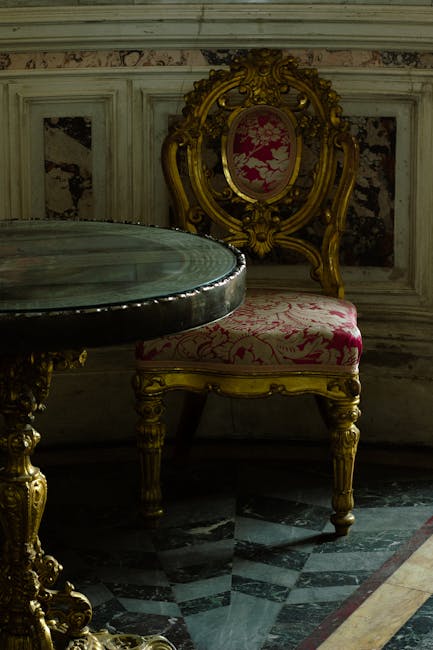
Period homes around Warwick Avenue have a particular charm: sash windows, original cornicing, deep skirting boards, and furniture that often feels like it belongs to the building rather than just sitting in it. But upholstery in these homes tends to collect a little more history than people expect. Dust settles into seams, older fabrics fade unevenly, and a sofa that looked "fine enough" last year can quietly start holding onto odours, body oils, and everyday grime. That is where thoughtful Warwick Avenue upholstery cleaning for period homes makes a real difference.
Not every piece can be cleaned the same way. A Victorian chaise, a Georgian armchair, or a modern sofa placed in a period flat all need a different touch. The aim is not just to make furniture look brighter for a week or two. It is to clean safely, protect the fabric structure, and keep the character of the room intact. In other words, a careful clean should feel almost invisible afterwards - except for the freshness.
This guide explains how it works, what to expect, which mistakes to avoid, and how to judge whether your upholstery is suitable for professional cleaning. If you live in a conversion, townhouse, mansion block, or a long-loved family home near Warwick Avenue, this should help you make a more confident decision. For broader context on local home care, you may also find the services overview and about us pages useful.
Table of Contents
- Why Warwick Avenue upholstery cleaning for period homes Matters
- How Warwick Avenue upholstery cleaning for period homes Works
- Key Benefits and Practical Advantages
- Who This Is For and When It Makes Sense
- Step-by-Step Guidance
- Expert Tips for Better Results
- Common Mistakes to Avoid
- Tools, Resources and Recommendations
- Law, Compliance, Standards, or Best Practice
- Options, Methods, or Comparison Table
- Case Study or Real-World Example
- Practical Checklist
- Conclusion
- Frequently Asked Questions
Why Warwick Avenue upholstery cleaning for period homes Matters
Period properties bring together older materials, lived-in layouts, and furniture that often has both monetary and sentimental value. That combination is exactly why upholstery cleaning needs more care than a quick surface refresh. Older sofas and chairs can have delicate stitching, natural fibres, horsehair fillings, wooden frames, or previous repairs that do not tolerate aggressive treatment.
Warwick Avenue itself sits in an area where many homes are a mix of classic architecture and modern living. In a setting like that, upholstery usually works hard. Family seating, guest use, pets, open windows in summer, and heating in winter all contribute to gradual wear. Truth be told, most fabric damage does not happen in one dramatic incident. It happens slowly, and then one day you notice the armrest looks tired, or the cushion has a shadow that will not go away.
Cleaning matters because dirt is not just cosmetic. Grit trapped in the weave can abrade fibres over time. Moisture left behind after poor cleaning can encourage lingering smells or, in some cases, mould risk in poorly ventilated rooms. A sensible approach protects both appearance and longevity, which is especially valuable in a period home where replacements can be expensive and matching original style is not always easy.
There is also the property value angle. Well-kept interiors make a house feel loved. That matters whether you are living there long term, preparing for guests, or simply trying to keep an elegant room looking as it should. Nearby local lifestyle context can be seen in pages such as this Maida Vale suburb guide and a resident's view of life in Maida Vale, both of which reflect the kind of homes and interiors common in this part of London.
How Warwick Avenue upholstery cleaning for period homes Works
Professional upholstery cleaning usually starts with identification, not equipment. That sounds obvious, but it is the part many people skip. The cleaner should first assess the fabric type, age, wear patterns, stains, and whether there are any manufacturer labels. On period furniture, a careful inspection matters even more because the visible fabric is only part of the story.
In practice, the process often looks like this:
- Initial inspection to identify fabric type, construction, and vulnerable areas.
- Testing in a discreet spot to check colourfastness and fibre reaction.
- Dry soil removal using vacuuming and gentle agitation to lift dust and loose debris.
- Spot treatment for marks, food stains, drink spills, or body oils.
- Controlled cleaning using the most suitable method for the fabric and condition.
- Rinsing or extraction where appropriate, to help remove residues.
- Drying guidance so the upholstery dries evenly and safely.
The "most suitable method" is the key phrase. Some fabrics can tolerate hot water extraction; others need low-moisture or specialist dry cleaning techniques. Velvets, silks, antique textiles, or mixed-fibre upholstery often require a much more cautious approach. If a cleaner rushes straight in with a standard machine and a one-size-fits-all mindset, that is a red flag.
Another practical detail: period homes often have tighter stairs, smaller doorways, and less forgiving access. Equipment needs to be moved carefully through the house, which is why planning and site protection matter. A good technician will think about floors, walls, skirting, and nearby furnishings as part of the job, not an afterthought.
Key Benefits and Practical Advantages
There is a reason homeowners keep coming back to upholstery cleaning rather than simply covering everything with throws and hoping for the best. A proper clean gives you visible and practical benefits at once.
- Improved appearance: Colours often look clearer once surface grime is removed.
- Better freshness: Upholstery can hold odours from cooking, pets, smoke, or daily use.
- Extended fabric life: Removing abrasive dirt helps reduce wear.
- More comfortable living spaces: Clean seating makes a room feel calmer and better cared for.
- Protection for valuable pieces: Antique or inherited items may last much longer with the right care.
- Better presentation for guests or buyers: A fresh sofa can quietly lift an entire room.
In a period property, these benefits are not just decorative. They help preserve the atmosphere of the house. A faded chair in the wrong condition can make a lovely room feel tired. Conversely, a careful clean can bring back that slightly airy, well-kept feel that makes older homes so appealing. Small thing, big difference.
For households that like to bundle interior maintenance together, a thoughtful upholstery clean often pairs well with deep cleaning in Maida Vale or seasonal upkeep such as spring cleaning services. If you only need a one-off visit rather than ongoing support, one-off cleaning can be a useful option.
Who This Is For and When It Makes Sense
This kind of cleaning is not only for owners of antique furniture. It makes sense for a wide range of people living around Warwick Avenue and nearby neighbourhoods.
- Homeowners with inherited or high-quality upholstery that should be preserved.
- Landlords wanting a property to present well between tenancies.
- Families whose sofas and chairs get heavy daily use.
- Residents with pets, children, or frequent guests.
- People in period flats where ventilation and dust management can be a bit tricky.
- Anyone preparing for photography, sale, or a special event.
It also makes sense when you notice one of a few common signs: patchy dullness, a stale smell, visible armrest darkening, or general flattening of fabric. Sometimes the furniture still looks decent from a distance, but sit on it in the daylight and, well, the story changes. That is usually when people realise they have been "living with it" for longer than they meant to.
If your home also needs broader domestic support, services like domestic cleaning, house cleaning, or even carpet cleaning may be worth considering as part of a fuller refresh.
Step-by-Step Guidance
If you are planning a cleaning appointment, it helps to know how the process should unfold. Good jobs feel calm and methodical, not rushed. Here is a practical way to think about it.
1. Assess the fabric and furniture construction
Before anything is cleaned, the fabric should be identified. Cotton, linen, wool, velvet, synthetic blends, leather-look materials, and antique coverings all behave differently. The frame and cushioning also matter, especially in older furniture where previous repairs may be hiding under the surface.
2. Check labels and ask questions
If there is a care label, read it. If there is no label, that does not mean cleaning is impossible, only that caution increases. Ask whether the item is colourfast, whether the stain has been set by heat, and whether any prior products were used. A decent technician will not bluff through this part.
3. Prepare the room
Move smaller items away, open access routes, and make sure there is some ventilation. In period homes, narrow hallways and delicate finishes are common, so a little preparation saves awkward moments later. Nobody enjoys dragging a wet machine past a painted banister, let's face it.
4. Remove dust first
Dry soil should be removed before any liquid cleaning begins. This step helps prevent mudding the fibres and improves overall results. It is a quiet but essential part of the job.
5. Treat marks carefully
Spot treatment should match the stain type. Protein-based stains, drink spills, and oily marks often behave differently. The wrong treatment can spread the mark or bleach the colour. Gentle does not mean ineffective; it means deliberate.
6. Clean using the least aggressive suitable method
For many fabrics, low-moisture or controlled extraction is preferable. The key is to use enough cleaning power to remove residue without saturating the material. In older homes, drying conditions matter just as much as cleaning strength.
7. Dry properly and inspect the result
Upholstery should dry evenly, with cushions rotated if needed. Once dry, the cleaned item should be checked for missed spots, wicking, or texture changes. If a stain reappears during drying, it usually means residue was drawn back up through the fibres. Annoying, yes. Common, also yes.
Expert Tips for Better Results
There are a few things that make a big difference, especially in period homes where you want the furniture to look cleaner without looking "worked on".
- Test before full cleaning. Even if a fabric seems stable, test first in a hidden area.
- Avoid over-wetting. Period furniture often has older padding and wood components that do not like excess moisture.
- Don't scrub marks aggressively. Scrubbing can distort pile, flatten texture, and spread the stain edge.
- Vacuum weekly. Not glamorous, but it reduces embedded grit and helps upholstery stay fresher for longer.
- Use throws strategically. On family sofas, protect high-contact areas without hiding the furniture completely.
- Control humidity. Rooms that stay damp for long periods can prolong drying and encourage lingering smells.
One small but useful habit: take a quick photo of any troublesome stain before cleaning. That way, you can compare before and after honestly instead of relying on memory, which has a habit of being a bit optimistic.
If you are comparing service providers, a transparent company page such as pricing and quotes can help set expectations, while request a quote is the practical next step if you already know what needs attention.
Common Mistakes to Avoid
A surprising number of upholstery problems come from well-meant DIY efforts. It happens. People try to save time, or they use whatever cleaner is under the sink, and then the stain gets bigger or the fabric feels rough afterwards.
- Using too much water: This can leave rings, prolong drying, and stress older padding.
- Skipping fabric identification: A method that suits a synthetic blend may damage natural fibres.
- Applying household chemicals blindly: Bleach-based or harsh cleaners can alter colour or finish.
- Rubbing instead of blotting: Rubbing drives the stain deeper and can distort the weave.
- Ignoring hidden areas: Arm backs, underside edges, and cushion seams often hold the most dirt.
- Leaving damp cushions in a closed room: Drying matters. A lot.
Another common mistake is assuming all period furniture is too fragile to clean. Not true. Many items can be cleaned safely, but only with the right inspection and method. The bigger risk is not cleaning at all, then letting grime accumulate for years.
Tools, Resources and Recommendations
For readers who like to understand what goes into a proper job, here are the common tools and supporting resources you should expect in a professional setting.
| Tool or Resource | What It Does | Why It Matters for Period Homes |
|---|---|---|
| HEPA or high-filtration vacuum | Removes dry dust and fine debris | Helps protect delicate fibres before wet cleaning begins |
| Fibre-safe spot treatment | Targets specific stains | Reduces the risk of colour loss or texture damage |
| Upholstery extraction machine | Applies and removes cleaning solution | Useful for controlled deep cleaning where fabric permits |
| Microfibre cloths and white towels | Blotting and residue checks | Allow visible monitoring without dye transfer |
| Air movers or ventilation aids | Speed up drying | Important where old buildings dry more slowly |
As a homeowner, your best "tool" is actually information. Photograph the item, note any labels, and tell the cleaner about recent spills, pets, or past treatments. If a fabric has had a previous DIY attempt with supermarket spray, say so. No judgement, just facts. It helps avoid surprises.
For service context, it can also help to review pages like upholstery cleaning in Maida Vale, insurance and safety, and health and safety policy. These pages are useful if you want a clearer sense of how a provider approaches risk and on-site care.
Law, Compliance, Standards, or Best Practice
Upholstery cleaning is not usually a heavily regulated service in the way that some trades are, but that does not mean standards do not matter. In the UK, responsible providers should still work in line with basic health and safety expectations, use suitable products for the surface and setting, and handle customers' homes with care.
For period homes especially, best practice usually includes:
- clear pre-clean assessment and explanation of risks
- testing before full treatment
- safe handling of cleaning agents
- appropriate ventilation and drying advice
- care around electrical items, floors, and fragile finishes
- respect for the home and any access limitations
If you are comparing providers, ask whether they carry appropriate insurance, whether they can explain their process clearly, and whether they offer practical aftercare advice. You do not need jargon. You need confidence and accountability. That is the useful bit.
For general trust signals and service expectations, the pages on terms and conditions, payment and security, and complaints procedure can help show how a company handles the less glamorous but very real parts of service delivery.
Options, Methods, or Comparison Table
Different upholstery types call for different approaches. The comparison below gives a simple, practical overview. It is not a substitute for inspection, but it helps explain why one method is not always right for every sofa.
| Method | Best For | Strengths | Limitations |
|---|---|---|---|
| Hot water extraction | Many synthetic or robust fabrics | Deep soil removal, good for heavily used seating | Can be too wet for older, sensitive, or poorly ventilated items |
| Low-moisture cleaning | Delicate or mixed fabrics | Faster drying, gentler on many period pieces | May not suit severe staining or very heavy soiling |
| Dry cleaning solvents | Specialist textiles and antiques | Minimal water exposure | Requires careful handling and suitable fabric compatibility |
| Manual spot treatment | Small isolated marks | Precise and targeted | Not enough for a full refresh |
In practical terms, most homes near Warwick Avenue benefit from a tailored mix rather than a single rigid technique. A sofa in an elegant sitting room may need a different plan from a dining chair in a busy rental flat. That is normal.
Case Study or Real-World Example
Imagine a period flat near Warwick Avenue with a pair of upholstered armchairs in a bay window room. They are lovely pieces, probably not expensive to replace, and definitely not something the owner wants to lose. One chair has faded slightly where the sun reaches it in the late afternoon. The other has a faint ring on the arm and a build-up of dust in the seams from years of everyday use.
A careful clean would start with testing a hidden section on each chair because even matching furniture can react differently if one has had previous treatment or more sun exposure. The cleaner would remove dry dust, treat the arm mark gently, and use the least aggressive method appropriate to the fabric. During drying, the chairs would be left in a ventilated room, not pushed back against the wall straight away.
The result? Not a dramatic makeover. That is not the point. The chairs would look lighter, fresher, and more balanced in the room. The room itself would feel less heavy. A visitor might not say, "Ah yes, those chairs have been professionally cleaned." They would simply think the whole space feels well kept. Which is exactly what most people want.
This kind of job also fits naturally within a broader care plan. If the property is being refreshed for the season, spring cleaning in Maida Vale and deep cleaning services can complement upholstery work without turning the home upside down.
Practical Checklist
Use this before booking or before the cleaner arrives.
- Identify the type of upholstery if you can.
- Check for care labels, stains, and any visible damage.
- Take photos of problem areas for reference.
- Ask what cleaning method is being recommended and why.
- Confirm how long drying is likely to take.
- Make sure the room can be ventilated.
- Move small objects, cushions, and fragile decor out of the way.
- Ask about insurance and aftercare guidance.
- Clarify whether the service includes spot treatment or full cleaning.
- Set realistic expectations for antiques and heavily worn items.
Expert summary: The best upholstery cleaning for period homes is careful, fabric-led, and low-drama. If it sounds rushed, generic, or too aggressive for the age of the furniture, it probably is. A sensible provider will protect the fabric first and make it look better second - both matter, and they have to happen in that order.
Conclusion
Warwick Avenue homes deserve upholstery care that respects both the building and the furniture inside it. Period pieces can be beautiful, durable, and deeply personal, but they also need a cleaner approach than standard off-the-shelf treatment. The right method removes grime, freshens the room, and helps preserve the character that makes these homes special in the first place.
If you remember only one thing, let it be this: upholstery cleaning in a period property should always be chosen around the fabric, not the other way round. That one decision changes almost everything - safety, results, drying, and how long the furniture will continue to serve you well.
When you are ready to move from research to action, a clear quote and a straightforward conversation are usually the best next step. If you need to reach out, you can also use the contact page for a direct enquiry.
Get a free quote today and see how much you can save.
And if you are caring for a home that has already seen a few generations, that care has a way of coming back to you. Quietly, in the best possible way.
Frequently Asked Questions
Is upholstery cleaning safe for period homes?
Yes, provided the fabric is assessed first and the cleaning method is matched to the item. Older furniture often needs gentler treatment, lower moisture, and careful drying, but many pieces can be cleaned safely.
How do I know if my sofa can be cleaned?
Look for a care label if one exists, and check for signs like loose threads, fragile fabric, old repairs, or colour fading. If you are unsure, a pre-clean inspection is the safest route.
Will cleaning remove old stains completely?
Not always. Some stains are set, bleached, or chemically altered over time. A good cleaner should explain what is realistic before starting, rather than promising miracles.
How long does upholstery take to dry?
Drying time depends on the fabric, cleaning method, room temperature, and ventilation. Period homes can sometimes dry more slowly, so good airflow matters.
Can delicate fabrics like velvet or linen be cleaned?
Often, yes, but the method must be chosen carefully. Velvet, linen, and other natural or textured fabrics may need lower-moisture or specialist treatment.
Is professional cleaning better than DIY cleaning?
For ordinary dusting, DIY care is fine. For embedded soil, stains, odours, or delicate period items, professional cleaning is usually safer and more effective.
How often should upholstery in a period home be cleaned?
It depends on use, pets, sunlight, and dust levels. High-use seating may need attention more often, while occasional-use pieces can go longer between cleans.
What should I do before the cleaner arrives?
Remove small items, check access routes, note any problem stains, and make sure there is ventilation. It also helps to share any previous cleaning attempts or repairs.
Does upholstery cleaning help with odours?
Yes, in many cases. Everyday odours from cooking, pets, and general use can often be reduced significantly when the fabric is properly cleaned and dried.
Can I clean antique upholstery the same way as modern furniture?
No. Antique and period upholstery often needs a more cautious approach because older fillings, stitching, and fabrics can react differently from modern synthetic pieces.
What if my furniture has already been cleaned badly before?
That is not unusual. A professional can often still help, but they need to know what was used previously, especially if strong detergents or oversaturation were involved.
How do I choose a trustworthy cleaner?
Ask about inspection, testing, insurance, drying guidance, and the method they recommend for your specific fabric. Clear answers are usually a good sign.